OUR WORK
POLE FENCE, NON-CLIMB
AND DEER FENCE
POLE FENCE, NON-CLIMB AND DEER FENCE
THE CLASSIC CENTRAL OREGON FENCE,
DONE RIGHT
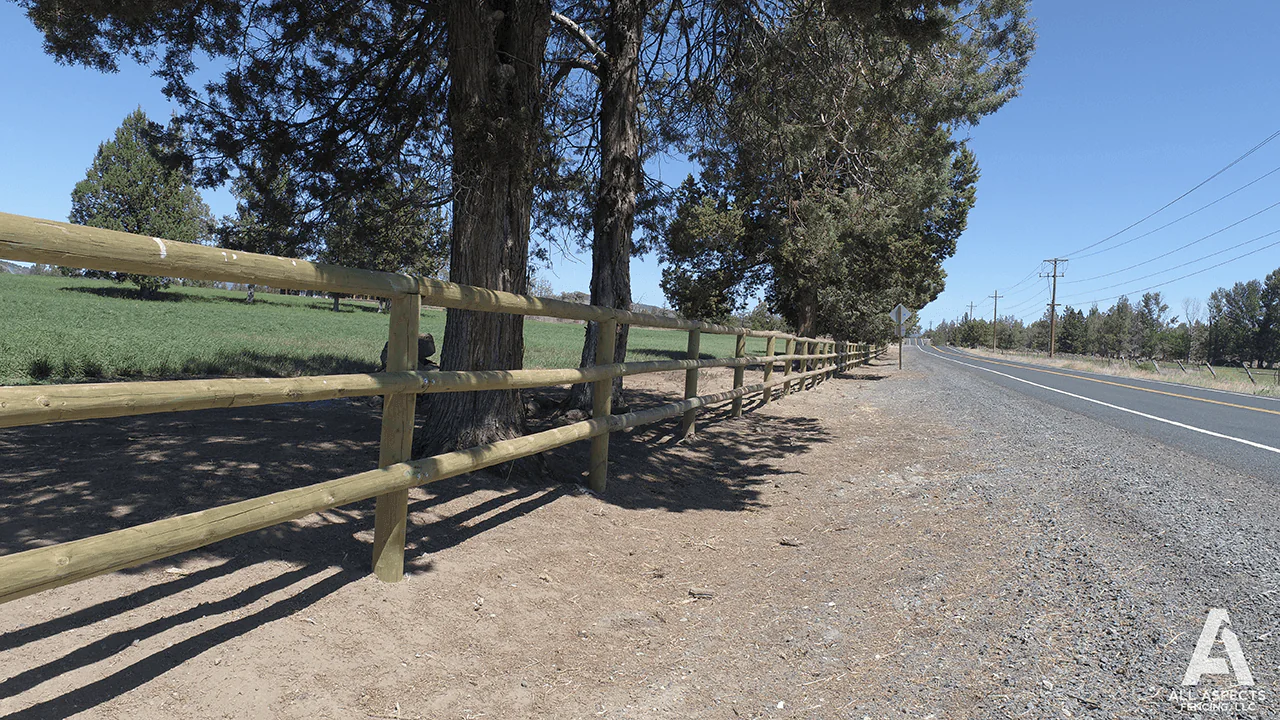
Pole fence is a defining feature of the Central Oregon landscape. Posts and poles, split rails, round rails, or dimensional lumber – there is a version of this fence type that fits nearly every rural property and budget. All Aspects Fencing has been installing pole fence of all kinds across Bend, Redmond, Sisters, and the surrounding region for years, and we understand how to spec the right materials for our high-desert climate and rocky soils.
The classic two- or three-rail pole fence defines property lines, borders driveways, and separates pastures with a look that feels native to Central Oregon. Beyond the traditional look, we install non-climb wire fence for horse properties and livestock operations where containment is the priority. We also build deer fence for rural parcels and agricultural operations where deer pressure on gardens, orchards, or crops is a real problem.
Whatever the application, the approach is the same: we assess the site, recommend the right fence type, and install it properly the first time. No shortcuts on post depth, no skimping on hardware. This is fencing that looks good and actually does its job.
POLE FENCE
POST AND RAIL, THE CENTRAL OREGON WAY
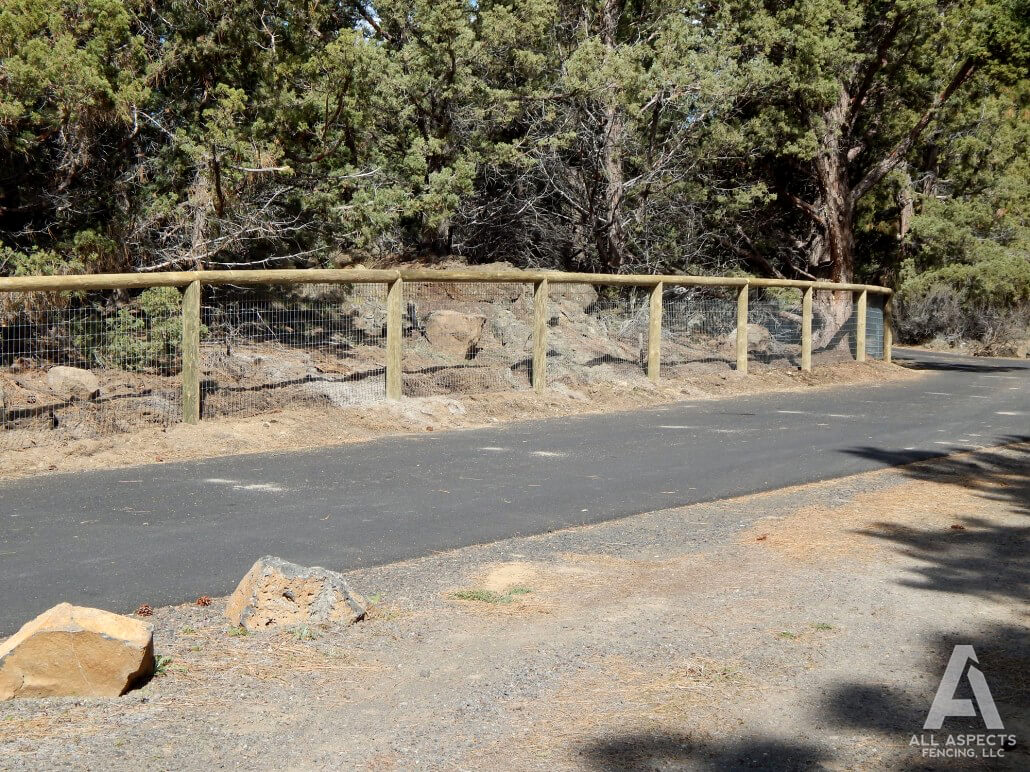
Pole fence has defined rural Central Oregon properties for generations. Whether you prefer the rustic look of split rails, the clean line of a round pole top rail, or a combination of pole and wire for livestock containment, we can build it. We use treated posts and regionally sourced materials where possible, and we set every post to the right depth for our freeze-thaw conditions.
THREE-RAIL FENCE
CLASSIC LOOK, SOLID CONTAINMENT
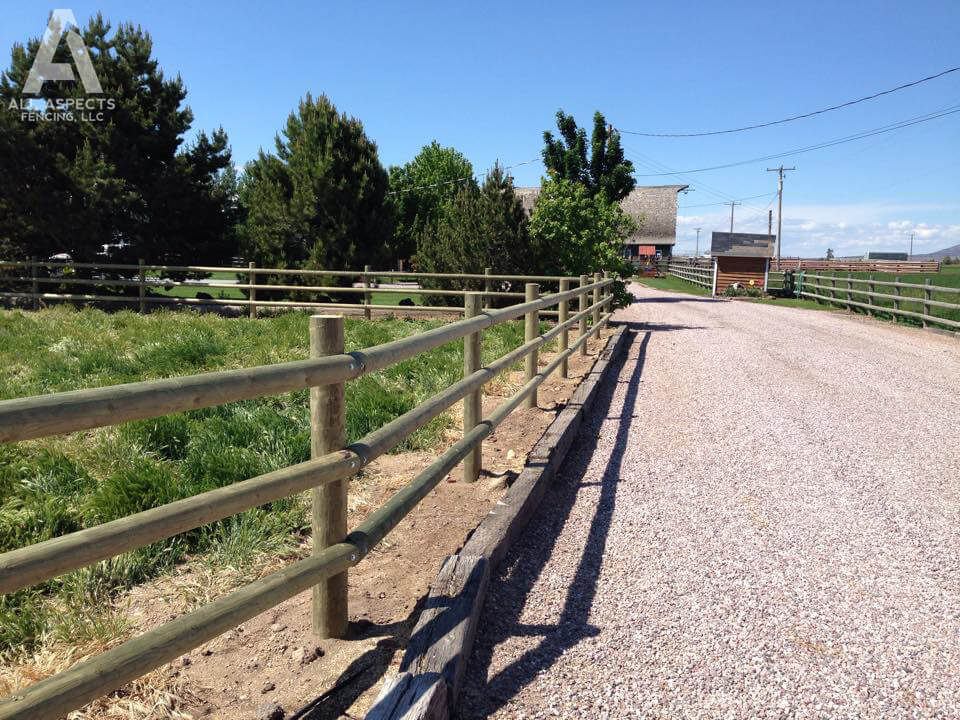
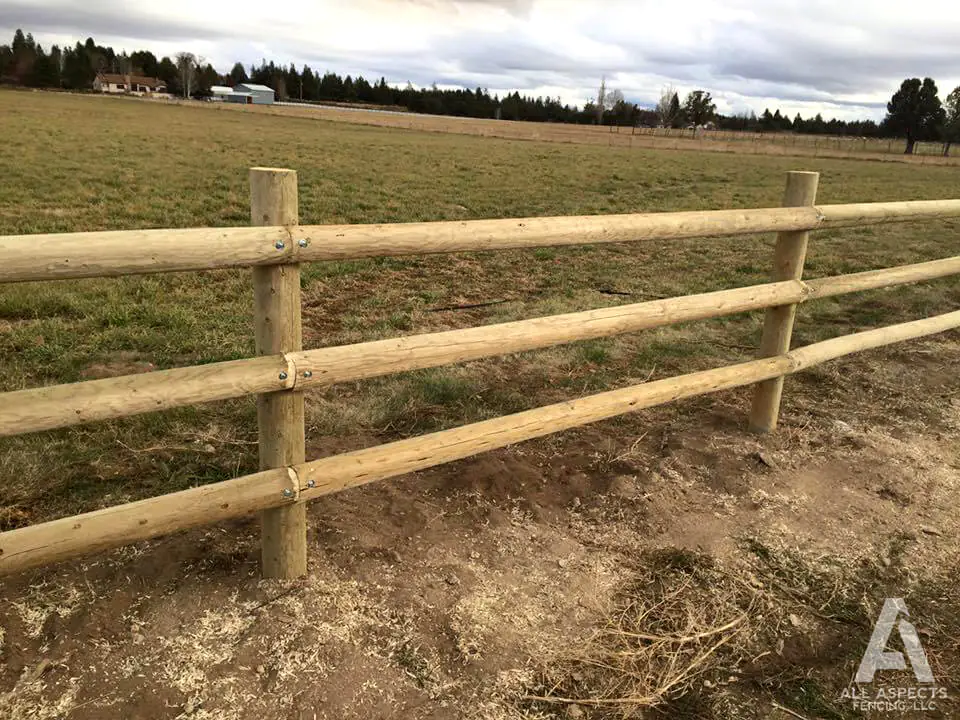
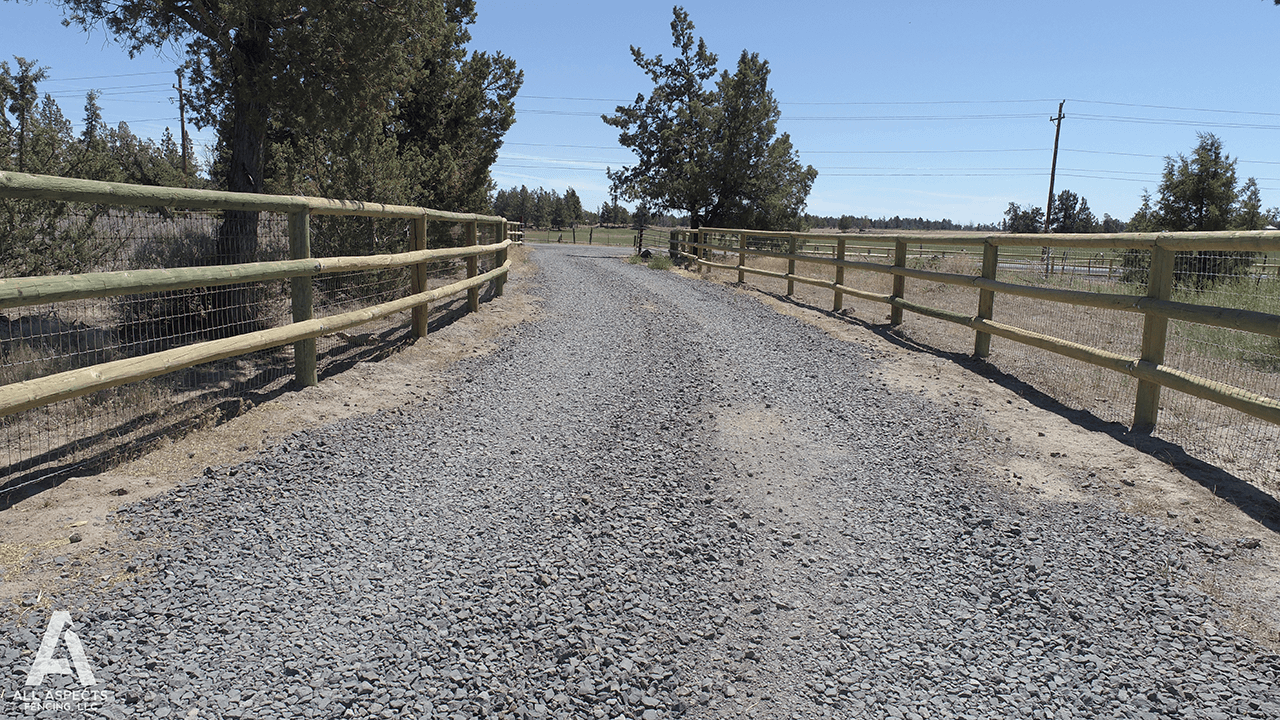
Three-rail fence hits the sweet spot between aesthetics and function. Two rails keep cattle and large horses from leaning through; three rails add the extra barrier that makes this style the go-to for horse pastures, arena borders, and property entries throughout Central Oregon.
We build three-rail fence with round poles, dimensional lumber, or split cedar depending on the look you want and the budget you are working with. Treated post material is standard; we can discuss options for your specific site and soil type when we come out for the estimate.
- Horse pastures and paddocks
- Arena and round-pen perimeters
- Driveway and entry borders
- Property corners and accent runs
- Cattle and livestock pastures
NON-CLIMB FENCE
SAFE, SECURE CONTAINMENT
FOR HORSES AND LIVESTOCK
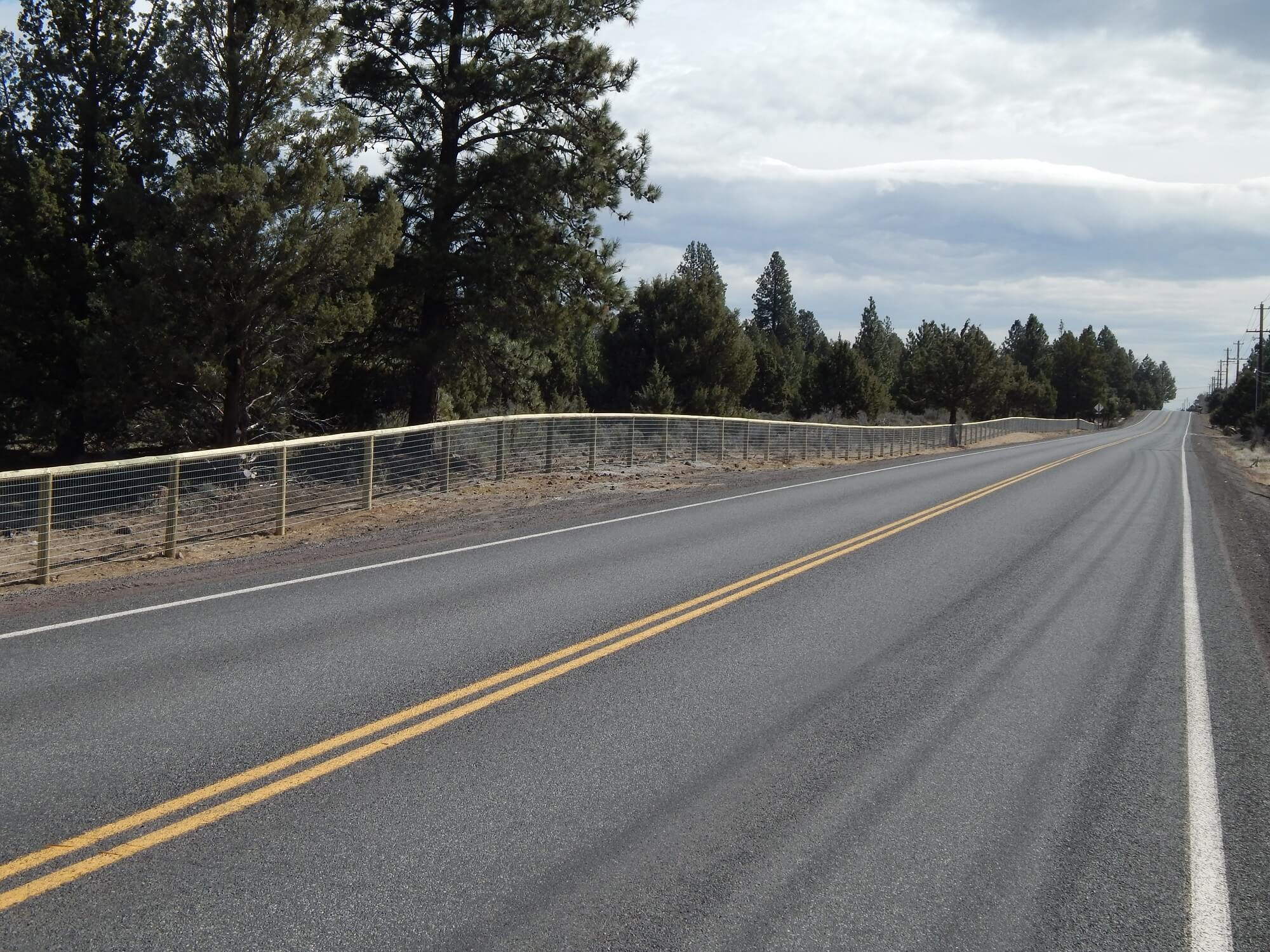
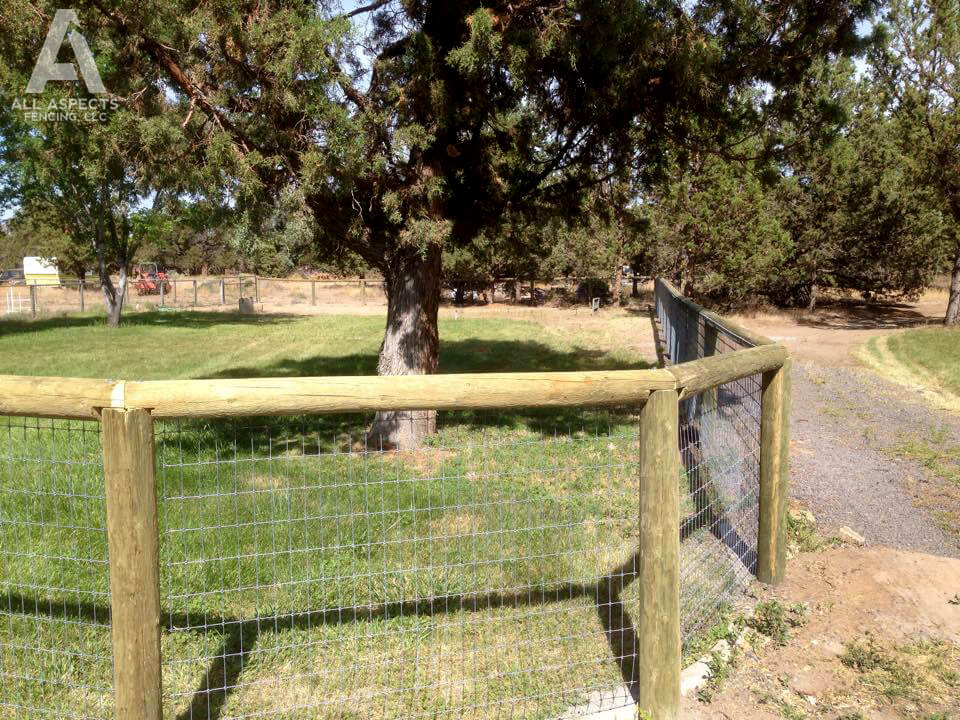
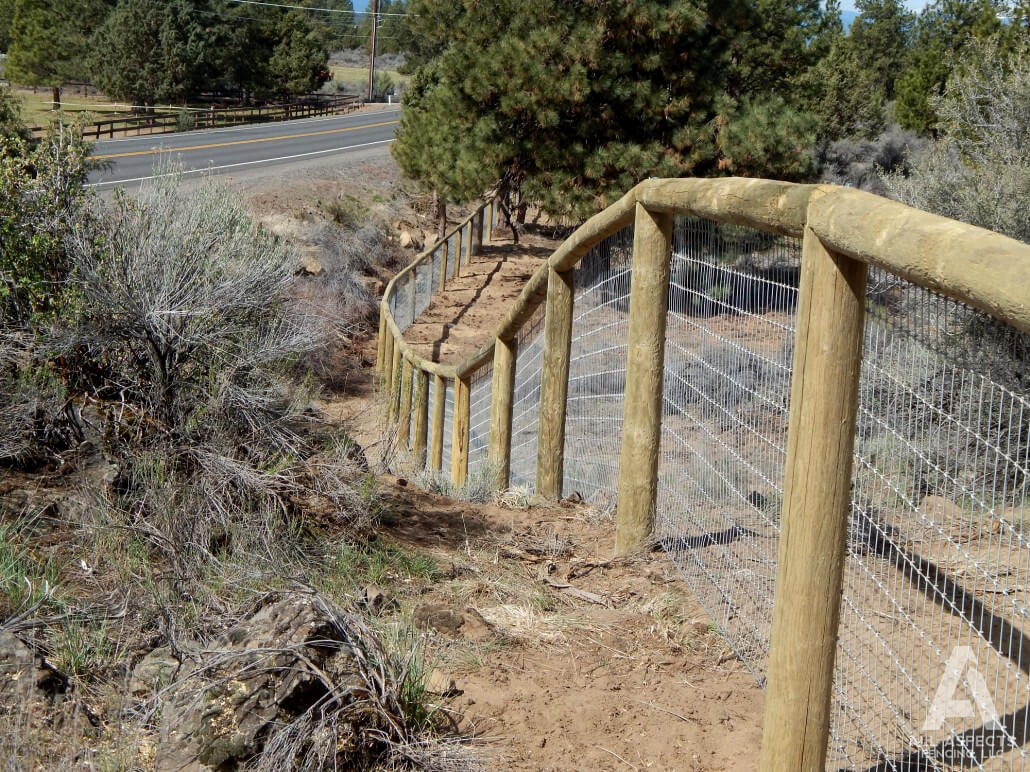
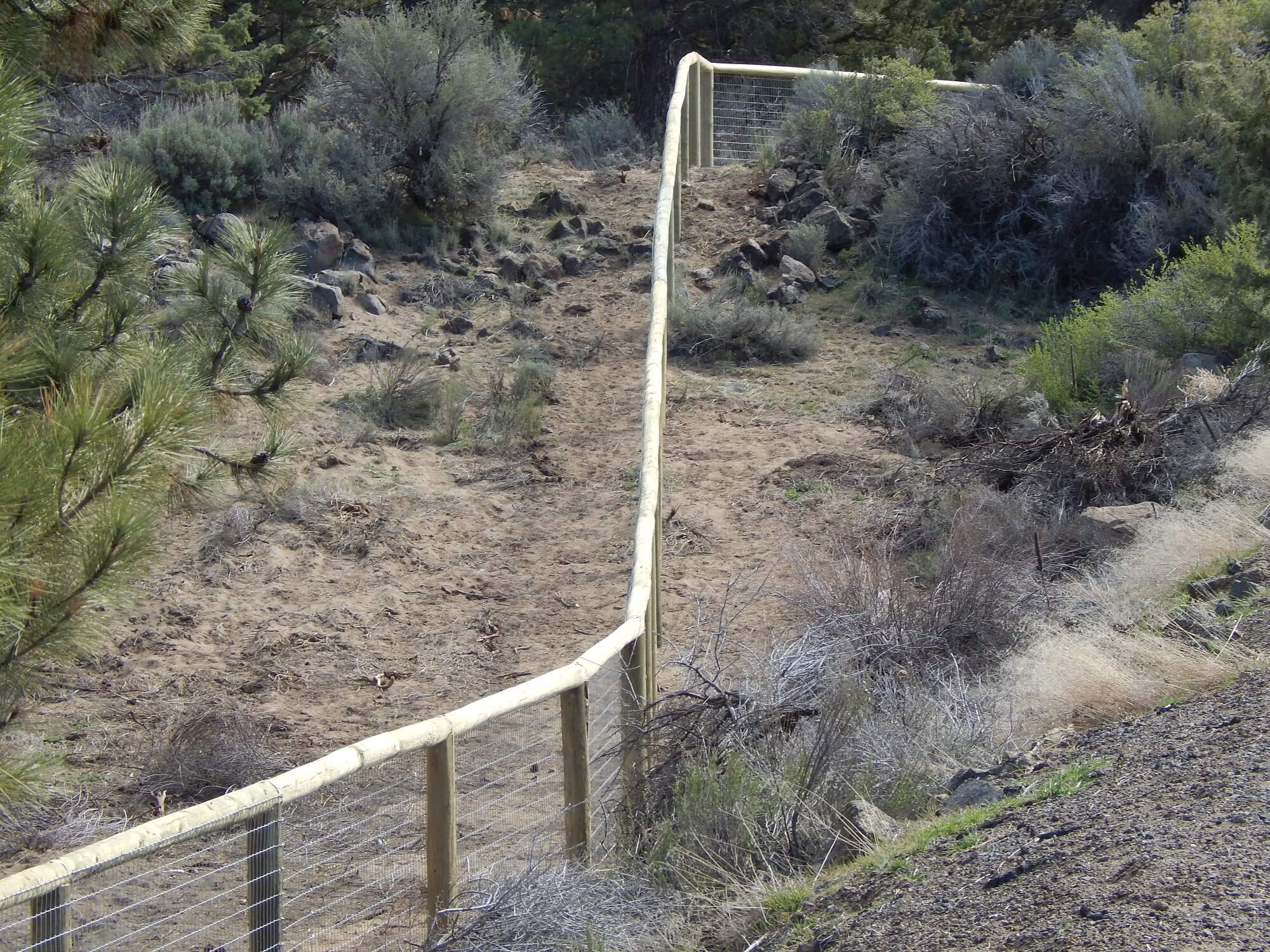
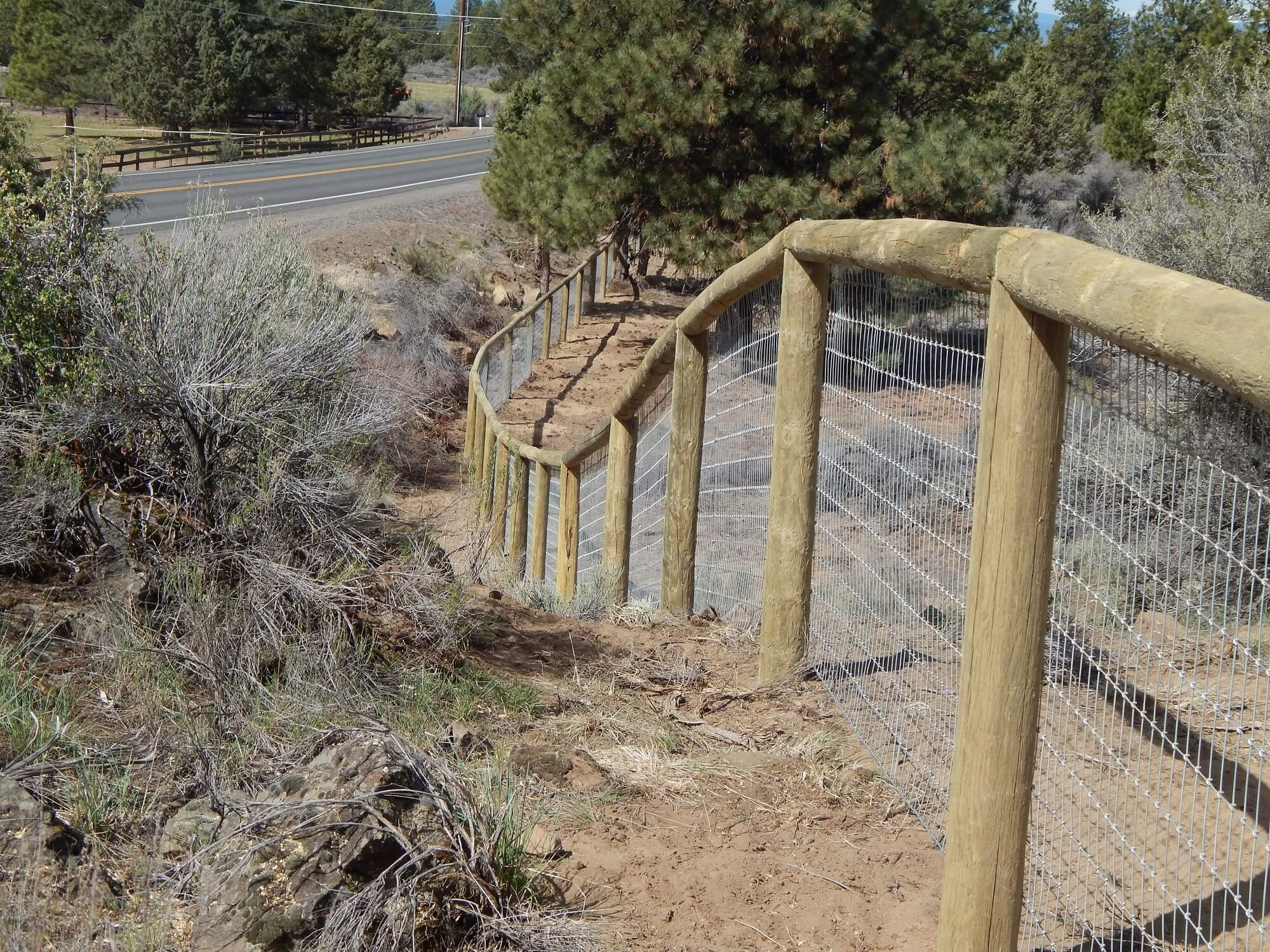
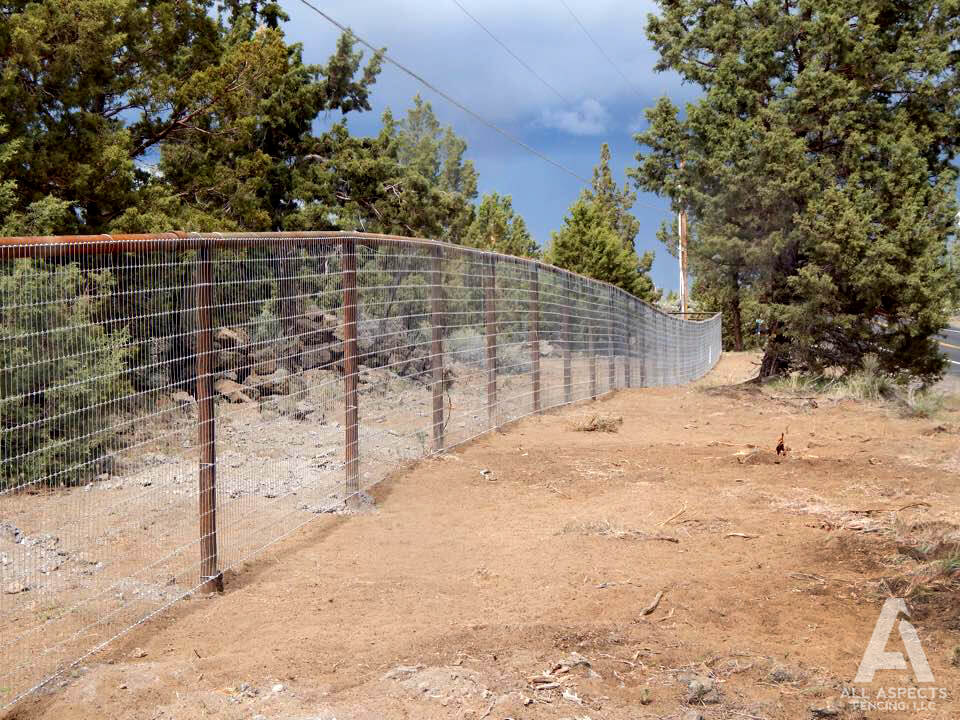
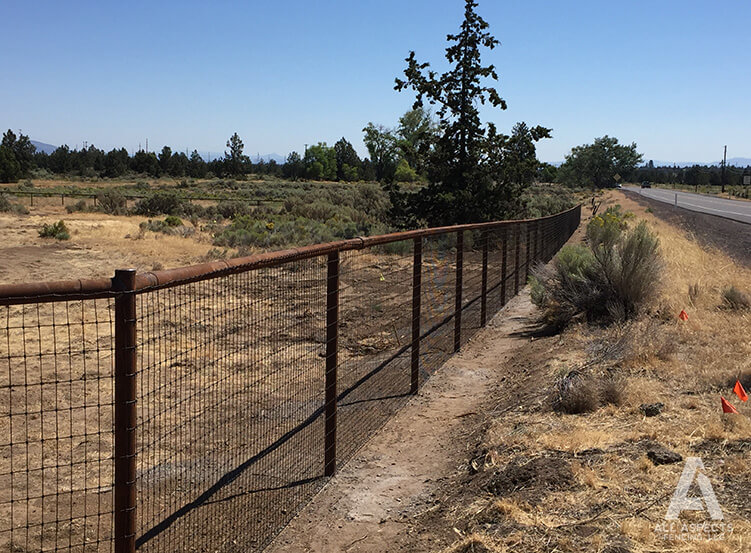
Non-climb fence, also called no-climb or horse fence, uses a fine galvanized wire mesh with openings small enough that horses cannot get a hoof caught and small animals cannot get through. It is one of the most popular choices for horse properties in Central Oregon because it combines genuine safety with a clean, professional appearance.
HORSE-SAFE DESIGN
The 2×4 inch mesh opening is small enough to prevent hoof entrapment, the primary safety concern on horse properties.
TOP RAIL OPTIONS
We install non-climb with a wood board top rail, a pipe top rail, or a combination, depending on your budget and the look you want.
ALSO KEEPS SMALL ANIMALS IN
The tight mesh keeps dogs, goats, sheep, and smaller livestock contained, making this a versatile choice beyond horse-only operations.
DEER FENCE
KEEP DEER OUT WITHOUT RUINING THE VIEW
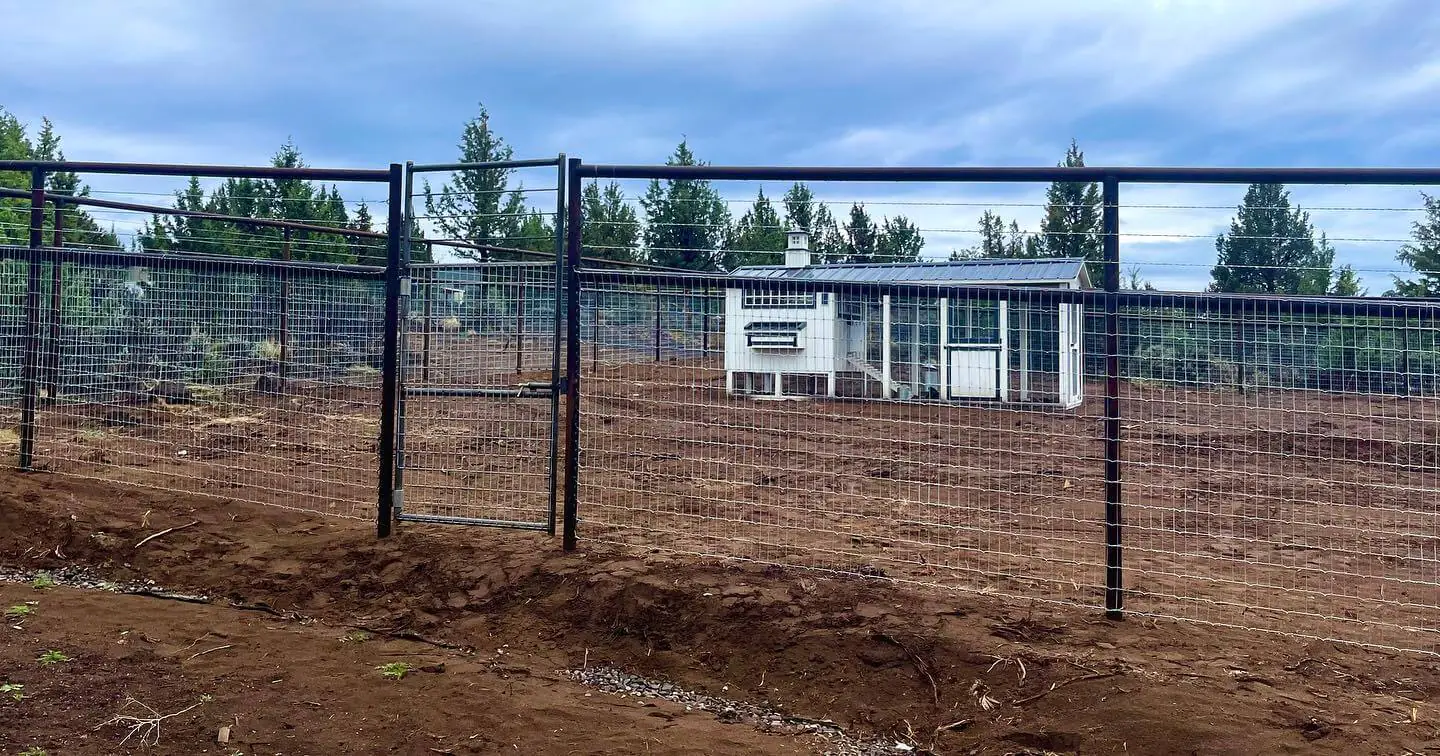
Deer pressure in Central Oregon is a real issue for property owners with gardens, orchards, vineyards, and agricultural operations. Standard livestock fencing does not stop deer. Deer fence uses wire in a taller installation, typically 7 to 8 feet, that deer will not attempt to jump when properly tensioned and set.
We install deer fence using treated wood posts or steel T-posts depending on the terrain, the run length, and the aesthetic. Wire is the most common material for agricultural applications; woven wire options are available for properties where appearance is a higher priority.
- Gardens and landscaped areas
- Orchards and fruit trees
- Vegetable operations and market gardens
- Vineyard and berry crop protection
- Rural parcels with heavy deer traffic
MATERIALS AND METHODS
POST TREATMENT, RAIL CHOICE, AND HARDWARE
Central Oregon soils range from volcanic rock to sandy loam, and post depth matters more here than in many other regions. We size posts correctly for the fence height and soil conditions, and we use pressure-treated material as standard. For rails, we can work with round lodgepole pine, dimensional lumber, or split cedar depending on your preference and the application.
- Pressure-treated posts as standard
- Round lodgepole or square lumber rail options
- Split cedar available for a traditional split-rail look
- Galvanized hardware throughout
- Non-climb mesh: 2×4 inch 12.5-gauge galvanized wire
- Wire for deer fence applications
WHY ALL ASPECTS FENCING
LOCAL EXPERIENCE, PROPER INSTALLATIONS
CENTRAL OREGON SPECIALISTS
We know the soils, the freeze-thaw cycles, and the deer pressure of this region. That knowledge shows up in how we spec and install every fence we build.
ONE CREW, START TO FINISH
No subcontracting the installation to a crew we have never worked with. The team that shows up for the estimate is the team that builds your fence.
LICENSED, BONDED AND INSURED
All Aspects Fencing is fully licensed in Oregon (CCB#202223), bonded, and insured. You hire us knowing you are covered.
COMMON QUESTIONS
POLE FENCE FAQS
They refer to the same general fence type. “Rail fence” is the older term; “pole fence” is more commonly used in Central Oregon today. Both describe a fence built with round or split poles as horizontal rails, supported by driven or set posts. The terms are used interchangeably in this region.
Pressure-treated posts in Central Oregon typically last 20 to 30 years in ground contact, sometimes longer in the dry eastern high-desert climate. Rails and poles above ground last well in low-moisture conditions. The biggest variable is post depth and installation quality. A post set too shallow will heave over time in freeze-thaw conditions.
The standard recommendation for horses is a 48-inch (4-foot) fence height, which keeps most horses from reaching over or testing the fence. We can discuss your specific animals and situation when we come out for the estimate.
An effective deer fence in Central Oregon needs to be at least 7 feet tall, and 8 feet is more reliable for areas with consistent deer pressure. Mule deer are strong jumpers, and a fence that is too short will simply be cleared. The fence also needs to be properly tensioned. A loose fence is less of a deterrent than a tight, well-built one.
Yes, and this is actually one of the most popular configurations we install. A wood or pipe top rail above the non-climb mesh gives horses a visible barrier to respect, which can reduce fence pressure. It also improves the appearance significantly. We can install a top rail on any non-climb fence run.
Agricultural and pasture fence in Deschutes County and surrounding areas typically does not require a permit. If your project does require one, for example, if it is adjacent to a road or within a certain setback, we will flag it during the estimate process and advise you on next steps. We are experienced with local requirements.
Pole fence is generally less expensive upfront than welded pipe fence for comparable rail counts. The tradeoff is longevity. Pipe fence in most conditions will outlast wood fence significantly. Pole fence remains a good choice for property lines, pastures, and areas where a natural look matters and the fence is not taking constant animal pressure. We can walk you through both options and help you find the right fit for your project.
REQUEST A FREE ESTIMATE
READY TO FENCE YOUR PROPERTY?
We offer free, no-obligation estimates for pole fencing projects in Central Oregon. Tell us about your property, goals, and any existing fence or layout, and we’ll follow up with:
- Recommended materials and fence type for your project.
- Anticipated project lead time and estimated installation schedule.
- A detailed breakdown of labor, materials, and overall project costs.